The U-Boats of Elbe II
-
These German U-Boats Vanished After WWII, But Four Decades Later They Were Discovered Entombed
As the dust settles on a defeated Germany after World War II, the weapons of war grind to a halt. And near Hamburg, three great U-boats are abandoned to their fate. For the next 40 years, their location remains a mystery to most – until three men make their way into a demolished, ruined bunker in the Elbe river.

September 5, 1914, the British scout cruiser HMS Pathfinder was sunk off the coast of Scotland by a torpedo fired from a German submarine. It was the first time that a U-boat had successfully sunk an enemy vessel – but it would not be the last.
During WWI and WWII, Germany’s stealthy military submarines would terrorize the seas around Europe. Their most powerful use was to wage economic war by cutting off commerce and vital supplies. As ships attempted to reach enemy shores, the German U-boats would lie in wait.
Although the U-boats succeeded in sinking both battleships and merchant vessels during World War I, it wasn’t until the early years of WWII that they really came into their own. While the Treaty of Versailles had placed limits on the number of ships that the German Navy could maintain, there was no such restriction on undersea vessels.
At the start of the war in Europe, Germany had the largest submarine fleet of all the major powers. And for the first few years of the war, they had much of the Atlantic Ocean in their grip. While merchant ships tried to bring supplies to Britain, U-boats gathered in “wolfpacks” to attack – assigning multiple submarines to hit a single target.
Things changed when the United States joined the war. With an increased Allied presence in the Atlantic, the flaws in the U-boats began to show. Essentially, they were just ships with the capacity to dive – they were slow and ungainly underwater and they required extended amounts of time to be spent on the surface.

The Allied forces began to develop better tactics for attacking U-boats, German engineers returned to the drawing board. Could they create a vessel that was at its best and most deadly underwater? Although it hadn’t been done before, they began to build their first true submarine.

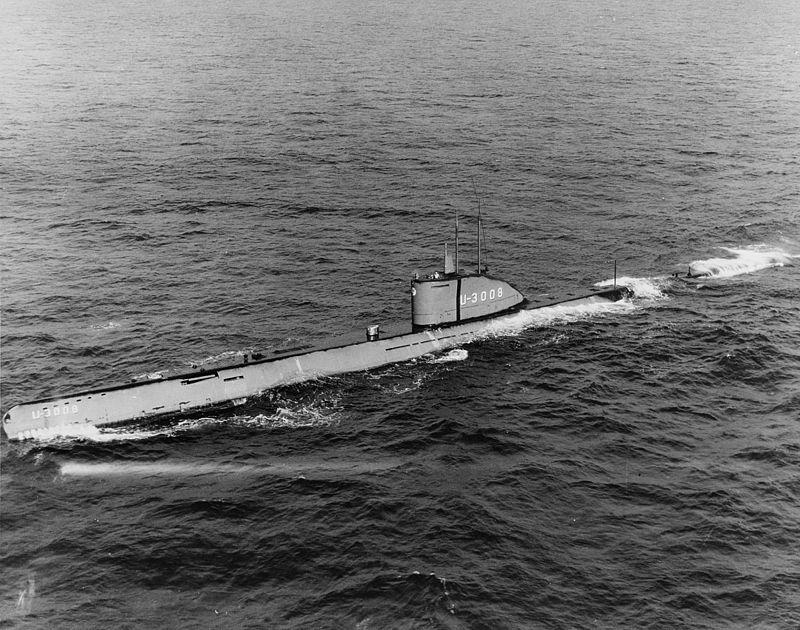
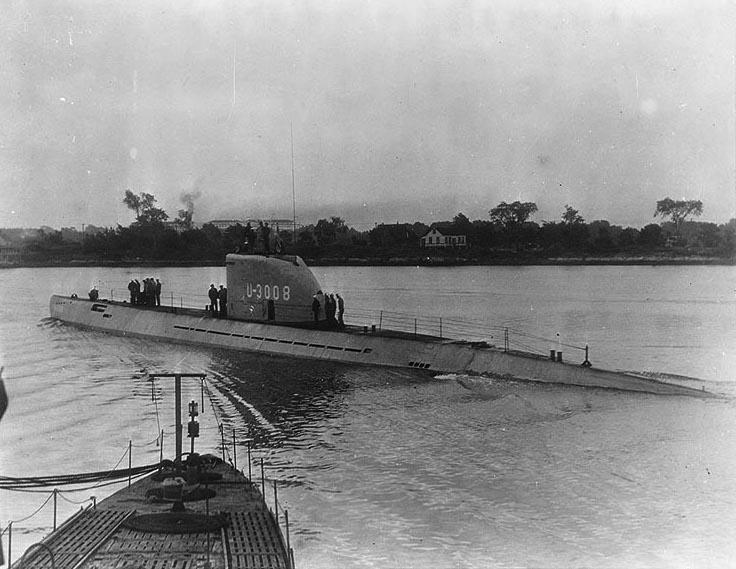
1943, shipyards in Bremen, Danzig and Hamburg began construction on a fleet of new submarines – dubbed the Type XXI. Designed to travel faster underwater than on the surface, this vessel was unlike anything the world had seen before.

Stocked with batteries and boasting a specially designed hull and conning tower, the Type XXI could outrun many ships that traveled on the surface. And incredibly, it was capable of remaining submerged for as long as 11 days and even carried frozen food.
On top of that, the Type XXI was far quieter than other submarines and able to submerge to much greater depths. With such stealth and speed – combined with an arsenal of torpedoes and an electric reloading system – this new German invention was a formidable weapon.
But as Germany developed its underwater warfare, its enemies were not standing idle. Indeed, the Allied forces had focused on improving their aerial weapons. Suddenly, the open-sided shelters in which Germany had stored its U-boats were vulnerable – and open to attack.
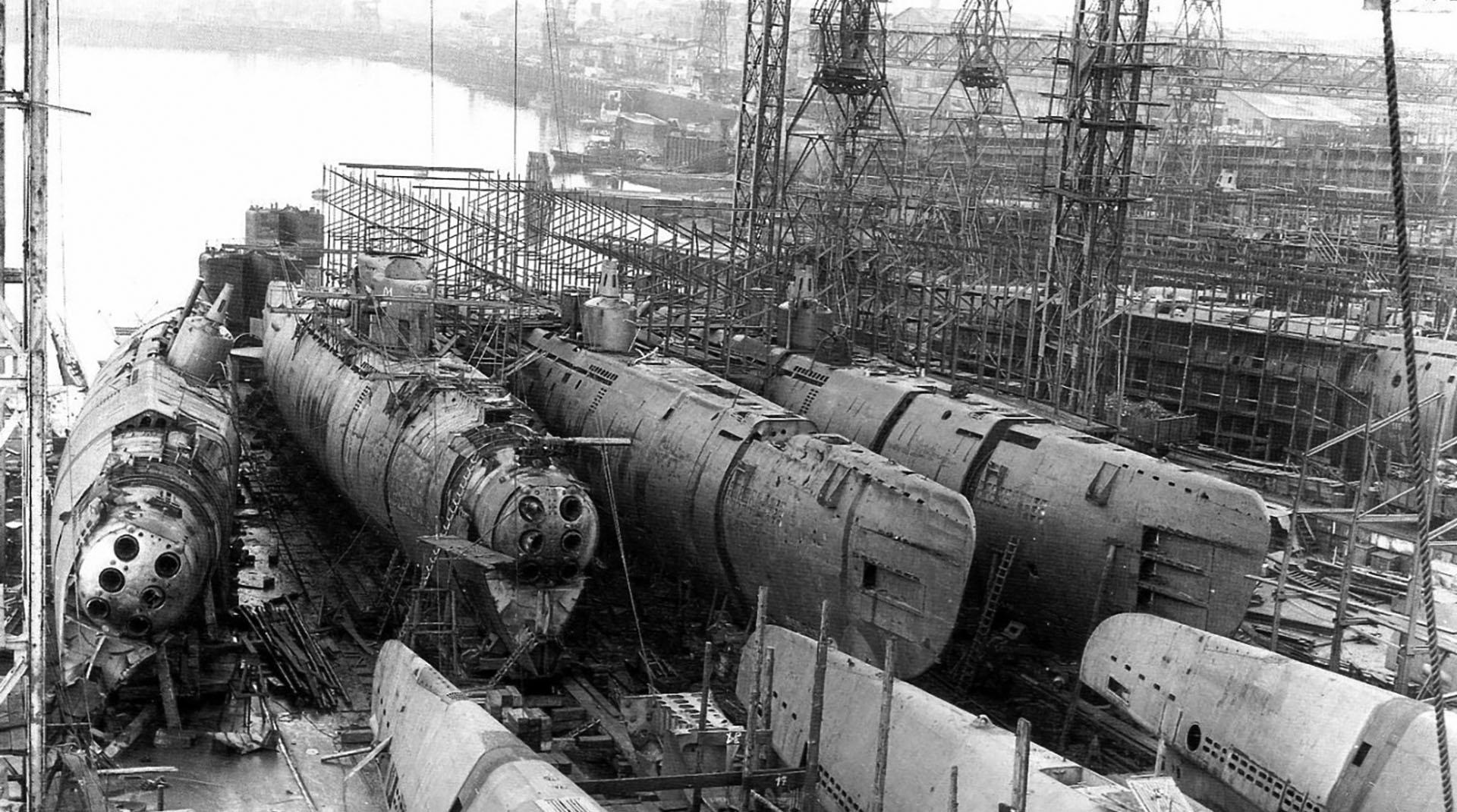
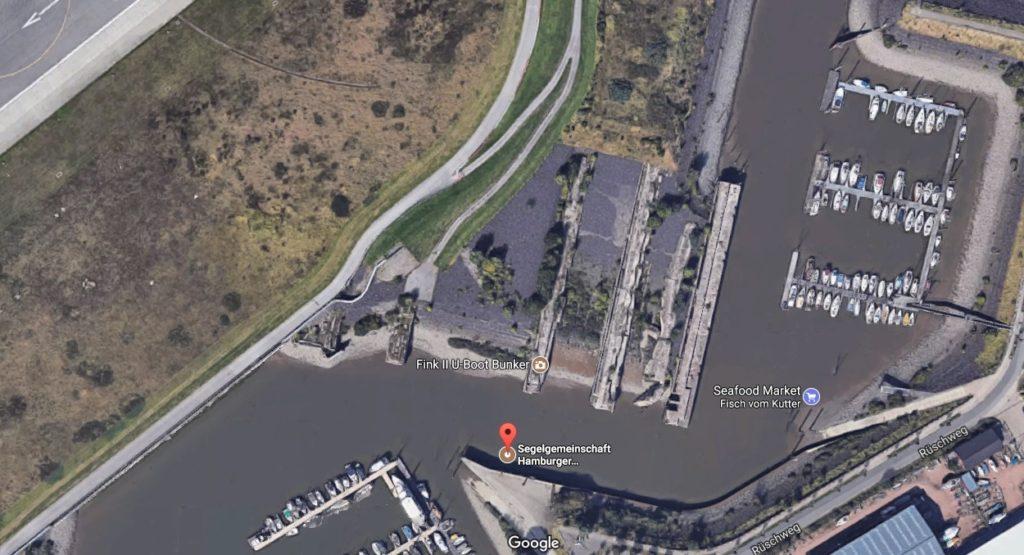
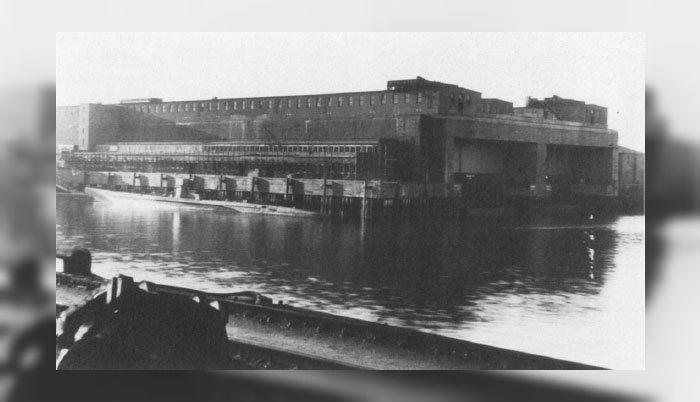
In order to protect their valuable fleet, Germany began building enclosed U-boat pens. One of these was the Elbe II – a vast bunker located in the Elbe river near Hamburg in northern Germany. Completed in 1941, it provided a protected space for the fitting out of military submarines.
In spring 1945, Elbe II was home to four of Germany’s new Type XXI U-boats. However, though these weapons were powerful, they had arrived too late to change the course of the war. By April of that year, most personnel had left the bunker to fight on other, more urgent, fronts.
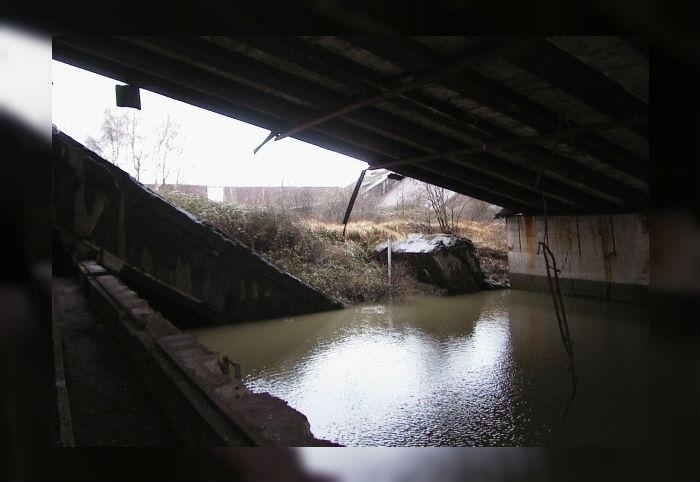
Soon the Allied forces began to encroach on Elbe II and its precious U-boats. First, a hit from a Tallboy bomb buckled the ceiling. Then, on April 8, an attack destroyed large parts of the gates. By the following month, Hitler had committed suicide and Nazi Germany was finished.
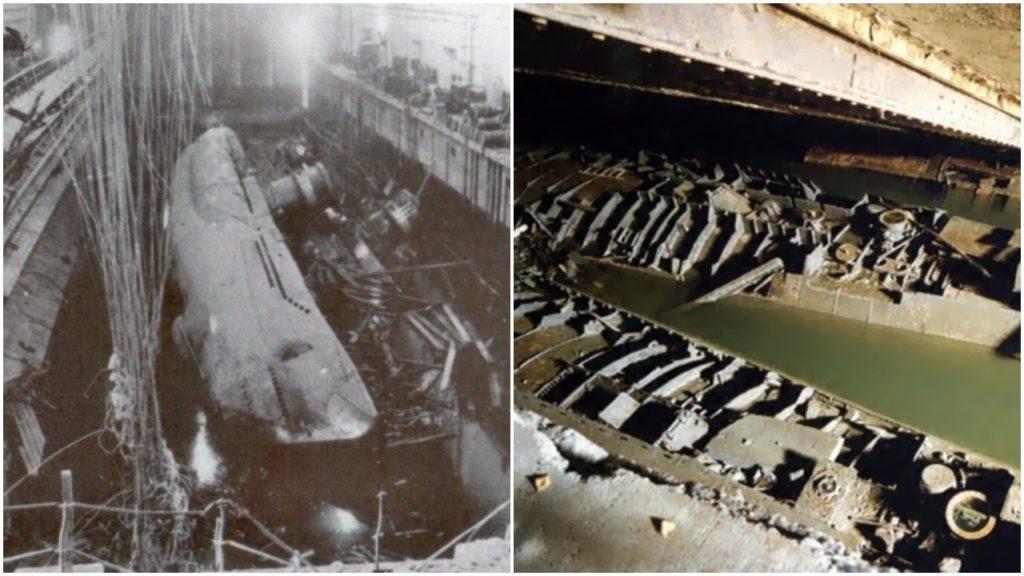
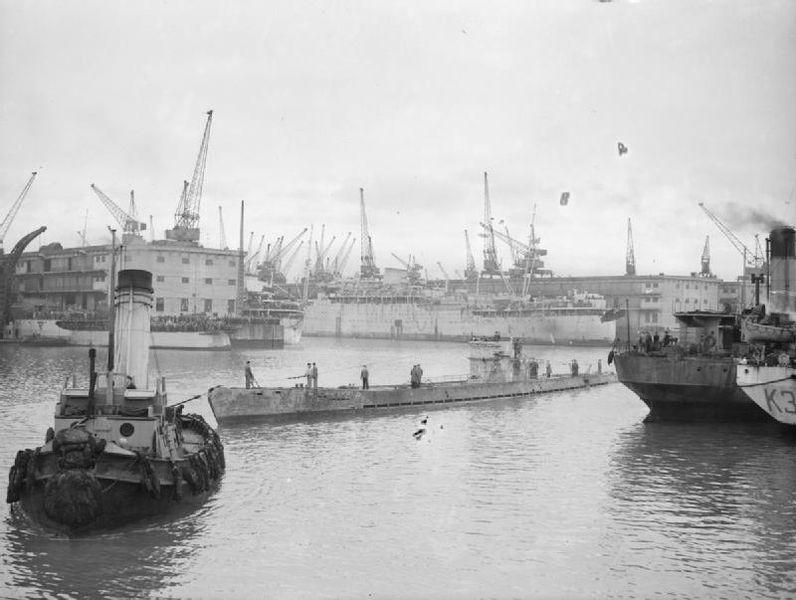
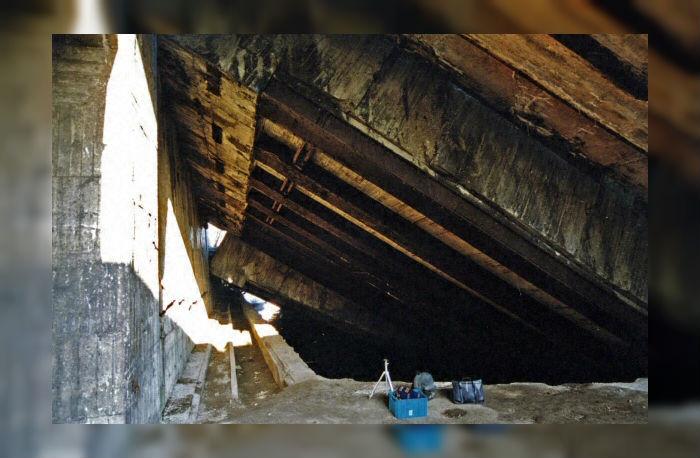
In order to avoid surrender, the defeated German Army ordered the scuttling of all their U-boats – including the Type XXIs. In the Elbe II bunker, three vessels – U-2505, U-3004 and U-3506 – were lowered while a fourth, U-2501, was dropped to the ground. Six months later, the British Royal Engineers blew up the bunker, burying the world’s most advanced submarines within.
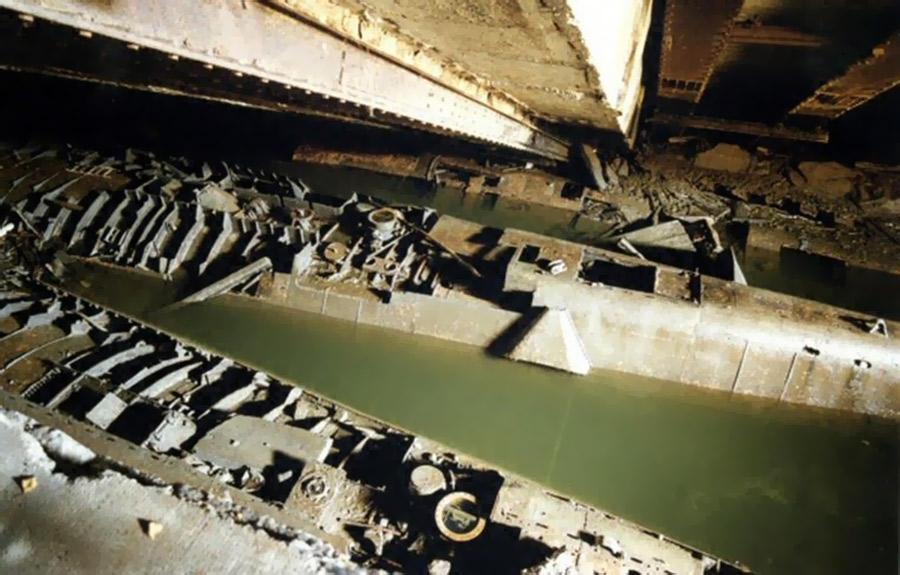
For the next four decades, these U-boats remained hidden in the Elbe, their whereabouts virtually unknown to the wider world. Although German authorities attempted a salvage operation in 1949, they were only able to retrieve small parts and cables. A few years later, U-2501 was successfully raised from the depths.
<0enter>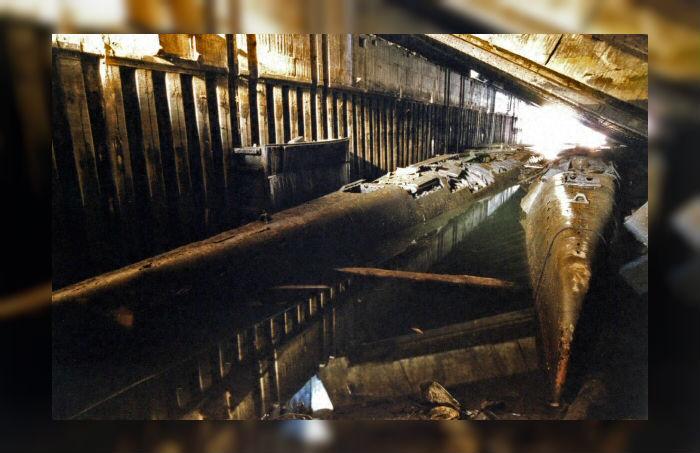
Unfortunately, the operation to salvage U-2501 caused damage to the remaining boats. And although attempts to reach them continued into the early 1960s, the cost meant that these programs were soon shut down. For another 20 years, the U-boats stayed trapped in their watery graves.
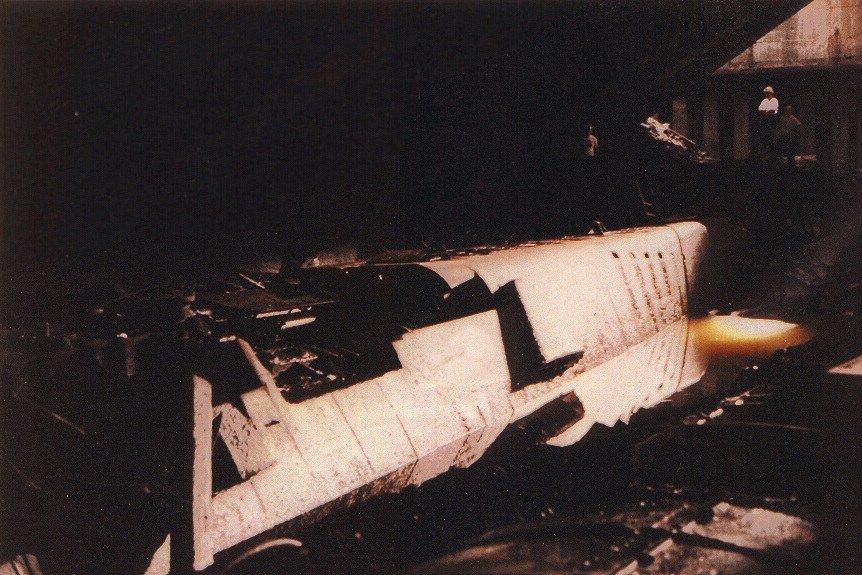
Then in 1985 three men made a startling discovery. After researching the missing U-boats, Jak P. Mallman-Showell, Wolfgang Hirschfeld and Walter Cloots finally traced them to what remained of the Elbe II bunker. Amazingly, they found their way inside and even managed to snap some photographs of the vessels’ remains.
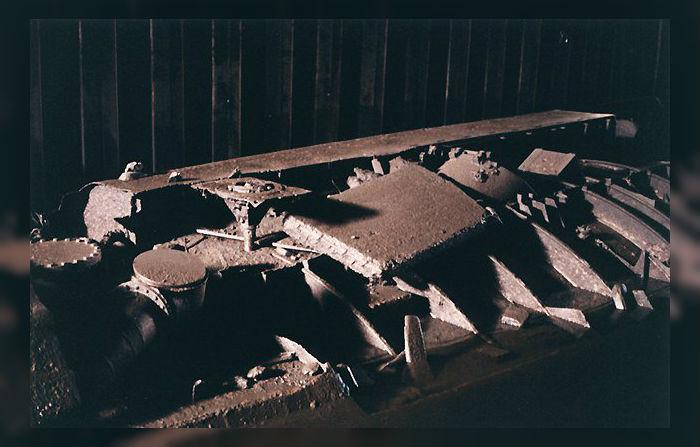
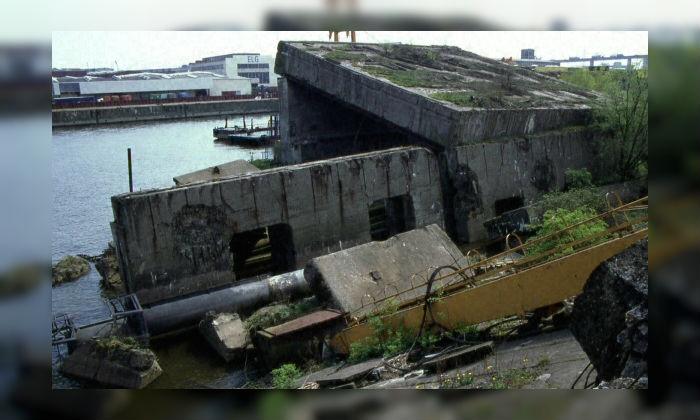
The bunker would soon face further attacks, however, as in the 1990s the German authorities decided that it was time to demolish Elbe II once and for all. Still, this scheme proved that Nazi bunkers had been built from solid stuff; although they were hit with more than 200 dynamite charges, Elbe II’s walls were barely damaged.
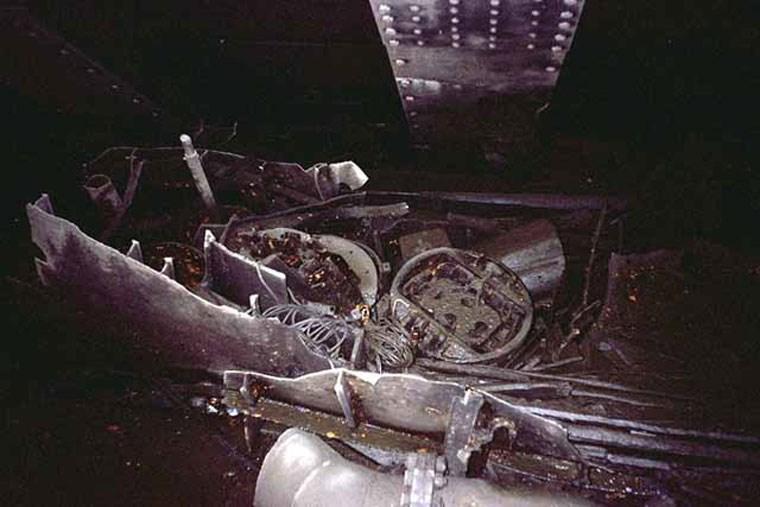
Eventually, the authorities came up with a simple solution. They built a parking lot on top of the bunker and covered what remained with a layer of earth. Several years later, though, the remains would be uncovered and the bunker reduced to its foundations. For three vessels that started life at the forefront of military engineering, it seems a rather undignified end.
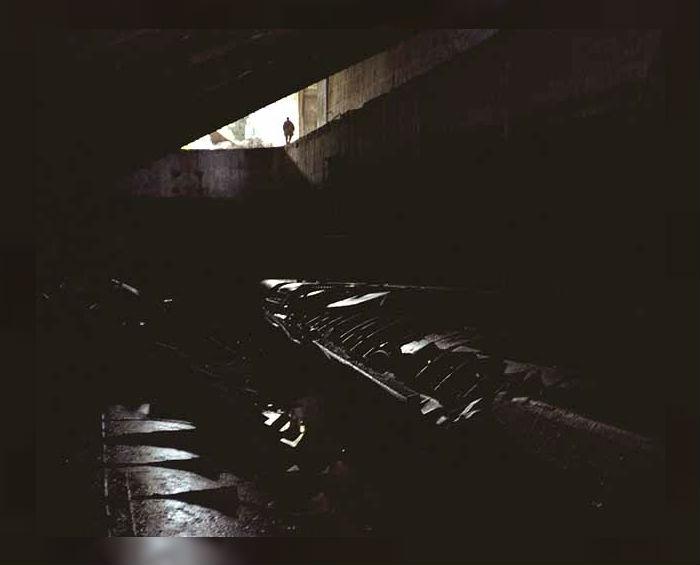
TOP
home Page
Welcome Page
 doobydoo@pastechoes.co.uk ©